
During the winter months, dry skin is one of the most common complaints and difficulties of the skin. You have a tight face. Your hands crack. Your legs are itchy after a hot shower.
The good news? D dry skin in winter is typically simple to treat. Some simple lifestyle adjustments can help restore comfort in no time. This guide will help you understand what’s going on, how to identify it and what really works.
What’s causing your dry skin in winter?
The outer layer of skin is like a wall that protects you. It retains water and excludes irritants. This wall is referred to as the skin barrier. It is weaker in the cold weather.
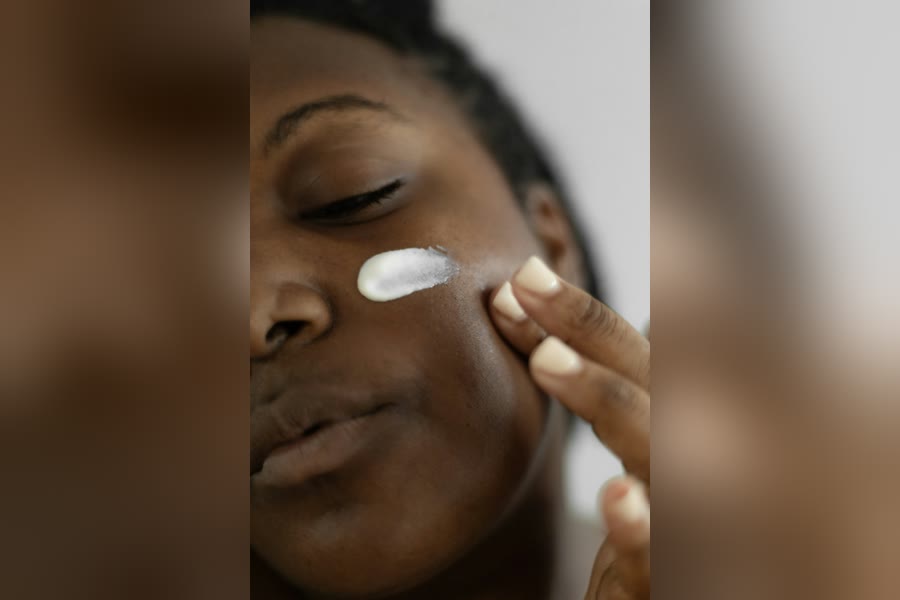
It’s a dry summer and a couple of common things happen during the winter that cause dryness. Let’s look at each one.
Low Humidity Outdoors
Warm air contains more moisture than cold air. As the humidity falls, the air sucks moisture from your skin. This can be a big contributor to dry skin even on the days when you feel well.
Indoor Heating
Your home loses moisture when heated with a heater or fireplaces. Most of the people spend the bulk of their day in this air. During the winter, your skin gradually loses water and contributes to dry skin. Overnight, sleeping in a warm room can exacerbate the issue.
Hot Showers and Baths
On a cold day a hot water bottle is really great to use. However, it removes the natural oils that retain moisture. The outcome is that the skin becomes tight, flaky, and itchy.
Avoid harsh soap and over washing.
Oily and soapy cleansers remove oil as well as dirt, providing a stronger cleaner. Hand washing and rubbing hands with alcohol-based sanitizers can further dry out hands.
Fabric that is not smooth and even is called wind or rough fabric.
Cold weather and wind can cause exposure to irritated areas such as cheeks, lips and hands. Friction from wool scarves and rough sweaters can lead to redness. For more expert advice, see Vogue’s beauty section.
Signs and Symptoms of Dry Skin in Winter
What it means to be dry during the winter varies between individuals. These are the common symptoms:
If the skin feels tight, particularly after washing, it is likely that it is dehydrated.
Patches that are rough, scaly or flaky
Dull-looking skin
Itchy and itching, especially during the night.
Finer lines, that appear more pronounced. Finer lines, that seem thicker.
Crack on hands, heels or lips
Redness or stinging on application of products
A slight dryness is not a problem, but it makes it uncomfortable. If deep cracks bleed and sting, it’s best to start treatment early.
Which People are more prone to dry skin during winter?
Dry skin is a problem experienced by everyone in the winter. Some are at a greater risk:
Ages over 30: As the skin dries out with age, it becomes more susceptible to drying out.
Eczema or psoriasis sufferers: These can sometimes get exacerbated by cold dry weather.
Those who wash their hands frequently: e.g. parents of young children, cooks, nurses.
In cold dry climates: Low humidity sucks moisture out of the skin throughout the day.
People with naturally dry skin or sensitive skin: Their skin barrier is already weaker.
How to Repair Dry Skin in Winter
The key to solving it is to achieve two main objectives: maintaining the barrier function and retaining moisture in the skin. Steps below are best used in combination.
Moisturize Right After Bathing
Use a soft towel to dry off skin. Then moisturize as soon as possible, while the skin is still a bit damp. This aids in keeping water within the skin.
Thick creams and ointments typically are more effective than thin lotions. They form a tighter closure.
Use Lukewarm Water
Change hot water to lukewarm. Take 5-10 minutes showers. This helps to keep natural oils on skin. You may also like our guide to how to build a simple skincare routine.
Choose a Gentle Cleanser
Use a gentle and non-irritating cleanser, which is perfume-free. Don’t use products that clean you so thoroughly that you have a squeaky clean sensation. A squeaky sensation is usually due to an excessive amount of oil being removed.
Run a Humidifier
A humidifier increases the moisture content of the air in the home. Wash regularly to avoid mould and bacteria. A lot of people discover that it is beneficial for dry skin during the winter, particularly choosing to use it in the bedroom during night time hours.
Apply Sunscreen Daily
UV rays do not go on vacation in the wintertime! Snow reflect sunlight to face as well. Apply a moisturizing sun screen to any exposed skin in the morning.
Wear a mask to protect your hands and lips.
Wear gloves when you go outside. Opt for soft cotton over wool, to reduce irritation potential. Use hand cream after washing. A lip balm containing petrolatum or beeswax is good for lips.
Eat foods that are rich in vitamins A and C.Indulge in foods that are high in vitamins A and C.
Increase water intake and consume a balanced diet of healthy fats including fish, nuts and seeds. Good personal habits promote skin health. They cannot however, substitute a good moisturiser.
Top ingredients for dry skin in winter
Look on the label when purchasing products. They are ingredients commonly used for dry, tight skin: Related reading: Zendaya’s skincare routine.
Ceramides: Fats which support and repair the skin barrier.
Hyaluronic acid: Binds water and keeps skin plump and moist.
Glycerin: It is a humectant that attracts moisture to the surface layer of the skin.
Petrolatum: creates a barrier to water loss.
Shea butter is a deep-conditioning butter to use in dry zones.
Colloidal oatmeal: Soothes itching and irritation.
Urea (low strength): Moisturizes tough and dry areas like heels and elbows.
Use fragrance-free products if possible. Fragrance may cause to dry and sensitive skin.
To stop the skin from getting dry in winter follow this simple routine every day
A brief exercise is easier to follow through. Here’s a simple plan to get you started right away.
Morning
- Wash your face with lukewarm water or a mild face wash.
- If desired, use a soothing lotion.
- Moisturize with a cream moisturizer after.
- Finish with sunscreen.
Evening
- Gently cleanse to wash away dirt and sunscreen.
- Use a thicker cream or ointment on extremely dry places.
- Give hand cream before sleep time.
Weekly
- Gently exfoliate no more than once a week, or if skin is irritated, avoid.
Here are some of the most frequent mistakes that can make dry skin during winter worse
There are some habits that are slowly unlearning your efforts. Beware of the following:
Having a long hot bath
Rough handling skin by rubbing with coarse towels/brushes!
Excessively scrubbing with harsh acids or scrubs
Scratching irritated skin, which can cause skin damage. Scratching of itchy patches, which can lead to skin damage.
Using perfumery for the body wash and lotion.
Failing to use moisturizer on cloudy or rainy days
Spending an extended amount of time close to a heated surface
The Best Time to Visit a doctor
Most people can benefit from home care. However, see a doctor or dermatologist if:
The skin on your body is cracked, bleeding or extremely painful
You wake up itchy and are unable to sleep.
You notice signs of infection which may include swelling, warmth, pus.
After a few weeks of proper care, dryness is not improved.
You have extensive patches of red, scaly skin that reoccur.
If the problem is ongoing dryness, it may indicate a skin disease such as eczema. A professional can determine the cause and make a recommendation for treatment.
Final Thoughts
Don’t let the cold weather fool you, it doesn’t have to cause flaky, tight, itchy skin. Dry skin in winter occurs because the skin barrier is compromised by cold air, dryness inside, hot water and the harsh products. When you know the why, solutions will follow.
Keep it simple. Use lukewarm water. Use a mild detergent. Hydrate immediately after bathing. Install a humidifier and use sunscreen every day. Wear gloves and protect lips, and don’t make any of the following errors.
Little things added up, done every day, make big things. You should notice a difference in your skin after a few weeks of consistent skin care. When issues persist, you can consult with a doctor for the appropriate solution. For more tips, read about what clean beauty labels actually mean.
FAQs
What’s the best moisturizer for winter dryness?
Usually a thick, non-scented cream or ointment is best. Check the list of ingredients for ceramides, glycerin, hyaluronic acid or petrolatum. Use after bathing and at night time.
Why do my skin and hair itch more in the winter?
Excessively dry heat from the winter season causes skin to lose moisture. Dry Skin Barrier = more sensitive; Sensitive Skin = itches. Frequent moisturizing and lukewarm water will soothe it.
How long does the winter dry skin condition last?
It can persist as long as cold, dry weather persists. Many people find that their skin becomes softer in only a few days to 2 weeks with consistent treatment. If it doesn’t get better, seek medical attention.
Is there any solution to dry skin apart from drinking more water?
While water helps maintain your overall wellness, it’s not enough to treat dry skin. Moisturizer and making gentle actions a habit are more important because most of the skin moisture escapes into the air.
Is it beneficial to scrub dry skin in winter?
Yes… but only softly & occasionally. Most people don’t need that much more than once a week. If skin is cracked, red or stinging, don’t exfoliate.