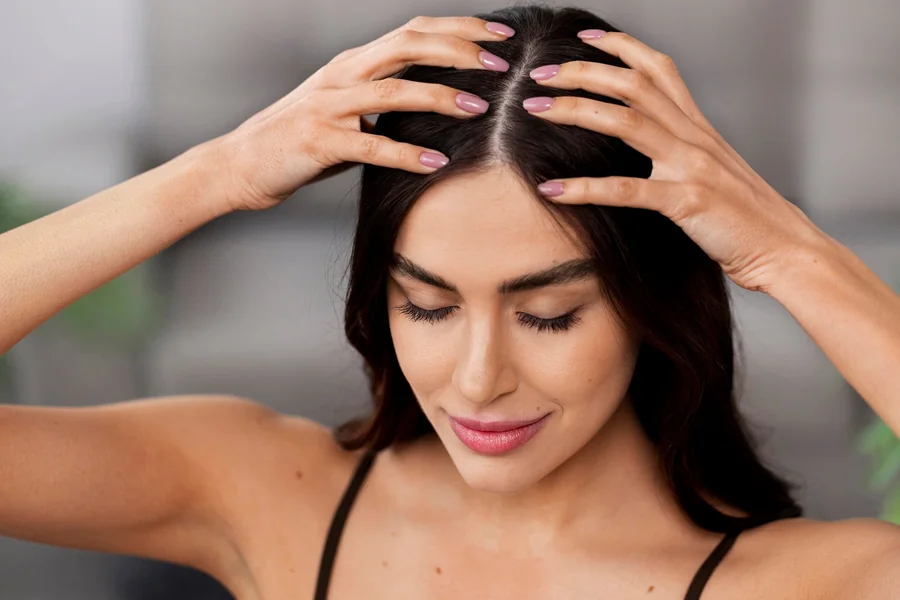
Whether you are a novice to scalp care or not, you could have a simple routine to maintain a healthy, comfortable, and clean scalp. People are interested in their hair and select the right shampoo, conditioner and hair products to use on their hair. But the scalp should be cared for regularly as well. It comes with the benefits of enhancing hair growth and safeguarding the roots of your hair, therefore, taking care of it is an essential aspect of total hair care.
Dryness, itching, excess oil and dandruff are common problems of the scalp. The great news is that you don’t always have to pay a lot for treatment, or follow a complicated routine to control them. With the knowledge of your scalp type, and the right products and a few consistent habits, you can make a difference. This article offers an introduction to the world of scalp care—how to get started and how to develop a care regimen for your beginnings.
Why Is Scalp Care Important?
The scalp is skin and like the skin on your face it needs to be cleaned and protected regularly. It has oil-producing glands and hair follicles which help preserve the natural state of your hair and scalp. If there is a buildup of oil, sweat, dead skin cells and product residue, your scalp may feel uncomfortable or appear grease.
A healthy scalp is needed for healthy hair growth. Scalp care doesn’t promise to grow hair faster or to cure all forms of hair loss, but it can minimize hair loss resulting from product buildup and improper cleansing.
Properly taking care of your scalp will also help you to be able to notice any changes in your skin. If itching, redness or flaking persists, it might be a particular type of condition that requires special treatment, not a standard shampoo. To find the most suitable product for your scalp, it is important to understand what it requires.
When beginning, it is best to test the various treatment options one at a time. It can be helpful to know your scalp type, then use the right cleanser and modify your regimen as your scalp reacts.
How to Identify Your Scalp Type
Take a moment before purchasing scalp care products to learn more about your scalp. The product choices for each type of scalp vary, and using the wrong products can exacerbate some of its issues.
Oily scalp: Greasy scalp can occur shortly after washing your hair. This occurs when oil is produced by the sebaceous glands in excess of what is required, or when build-up of oil occurs between washings. Regular cleansing with an appropriate shampoo may help control oily scalp.
Dry scalp: Dry scalp can be tight, rough or itchy. Moisture loss causes small flakes to appear. Using gentle shampoos and avoiding hot water or products that are too harsh can help to make it more comfortable.
Combination scalp: There are those who have an oily scalp, while their hair dries out. This may be due to the secretion of oil by the scalp and the lack of moisture in the ends. A balance routine should not remove lengths.
Fragrance sensitive scalp: This is a type of sensitive scalp that can react to fragrance, dyes, harsh cleansers, and some hair styling products. If irritation occurs after application, discontinue use of the product and consult a product that has a less irritating formula.
Weather, old age, hormone fluctuations and more can also lead to changes in your scalp. Don’t just follow the recommendations on the labels, listen to how it feels between washes. A dermatologist can help determine the cause of the symptoms if they persist after gentle care.
How to Build a Beginner Scalp Care Routine
Beginner scalp care plans ought to be basic and easy to stick to. It’s not necessary to apply more than one serum, scrub, oil and mask each day. Begin with a few simple changes and tweak accordingly.
To choose an appropriate shampoo, consider the following points: Choose a shampoo depending on the needs of your scalp. If your scalp is oily in a short amount of time, you might need to wash more often. If it is dry or sensitive, try a mild formula that will clean without further irritation.
- Shampoo your head correctly. Make sure to wet hair completely, shampoo the scalp and massage with fingertips. Do not scratch with nails as it may cause damage to the skin. Rinse the shampoo through the hair lengths, don’t rub so hard!
- Use conditioner correctly. Conditioner will help eliminate tangling and hair softness. It can be used primarily on mid-lengths and ends, particularly when the roots oil up quickly. If you have a dry scalp and apply a product that is designed for a dry scalp, follow the instructions.
- Do not allow product to build up in the system when it is not needed. Heavy oils, dry shampoo, styling gels and creams can be deposited on the scalp. Use them sparingly, and shampoo your hair when necessary. If you desire to read more hair and skin care information, —————– may be a relevant resource if a valid destination is offered.
- Avoid scalp treatments. Products and scalp serums to exfoliate are not mandatory for everyone. May be irritating if using strong scrubs or frequent use of active ingredients. When you have dandruff, use an appropriate anti-dandruff treatment instead of relying on body scrubbing.
It is more important that it is a consistent number of products than how many you use. Always begin with a simple routine, monitor the reaction of the scalp and replace a single product at a time if necessary.
Common Scalp Care Mistakes to Avoid
A good care procedure can be problematic if products are not used correctly. Some common pitfalls can make for a more comfortable scalp.
The first common mistake is that people don’t wash as often as they should since they think less washing equals a healthier scalp. Actually, washing requirements will vary based on your level of oil production, activity, hair type and style. Sweat and excess oil may cause some discomfort if left on the scalp for too long.
There are other errors, such as washing too hard. A hard scrubbing of the scalp does not improve the cleanliness in a more healthy manner. In general, gentle massage will suffice to remove dirt and oil without being excessive.
A combination of several products may also make it hard to detect the source of the irritation. Essential oils, perfumes and homemade blends might not work for all scalps. Natural ingredients are not necessarily safe for all people and can be allergens.
Last but not least, don’t dismiss a problem that keeps coming back. Dandruff, eczema, psoriasis and fungal infections all result in the same symptoms, but may need different treatments. If the itching, thick scaly, painful, sore or visible hair loss persists, consult a well-trained health care provider.
Daily Habits That Support A Healthy Scalp
Your hair care regimen doesn’t stop once you’ve washed your hair. Your everyday habits can also affect the comfort of your scalp and the condition of your hair.
Clean hairbrushes and combs, and don’t share personal hair tools, whenever possible. If hats, pillowcases, and other fabrics that frequently touch the scalp become soiled, wash them as necessary. These basic tips and tricks will help to reduce the amount of oil, dirt and styling product that gets built up.
Protect your scalp from excessive sun exposure, particularly if your hair is thin or you have areas with little hair. Exposed skin can be protected with an appropriate hat or scalp-safe sunscreen. If heat styling is used, don’t point too much heat at the scalp.
Normal hair health is maintained with a balanced diet, which contains the proper amounts of protein, vitamins, minerals and other essential nutrients. But, supplementation for a deficiency is not a surefire method to get healthier hair and scalp. The amount of water you drink and how much sleep you get is also a good component of overall health, but is not a substitute for treatment for a scalp condition.
It’s also important to watch for any changes in scalp when switching products, or changing your wash routine. It may be helpful to make a list of new products and symptoms to determine potential triggers. In the event of frequent burning, itching or redness stop using the product.
Final Thought
At the beginning, you don’t need to go through complicated scalp care. The most important aspects of the best beginner routine are knowing your scalp type, washing properly, selecting the right products and avoiding scalp irritating habits. A simple shampoo and conditioner regimen can be used to start, and then one can determine what additional treatments are required.
Keep in mind that each scalp is unique. What works for one person might not work for another, so be sure to pay attention to how your skin is reacting, and make small changes. Don’t scrub too vigorously, use unnecessary products and don’t hope for an immediate effect from the scalp treatments.
Most significantly, identify a situation needing expert care. If the dandruff, redness, itching, sores or unusual hair loss persists, it should not be overlooked. Properly cared for and with a good solution, you can help your scalp to feel comfortable and make better choices about hair care.
FAQs:
- What is scalp care?
Scalp care involves keeping your scalp clean, hydrated, and healthy to support comfortable skin and healthy hair growth.
- Why is scalp care important?
A healthy scalp helps reduce buildup, dryness, itching, and flaking while creating a good environment for hair growth.
- How often should I wash my scalp?
Most people can wash their scalp every two to three days, but the ideal frequency depends on hair type, oil production, sweat, and product buildup.
- What is the best way to start a scalp care routine?
Start with a gentle shampoo, wash your scalp regularly, use conditioner on your hair lengths, and avoid excessive styling products.
- How can I tell if my scalp is unhealthy?
Common signs of scalp problems include persistent itching, redness, excessive flaking, unusual oiliness, irritation, and tenderness.