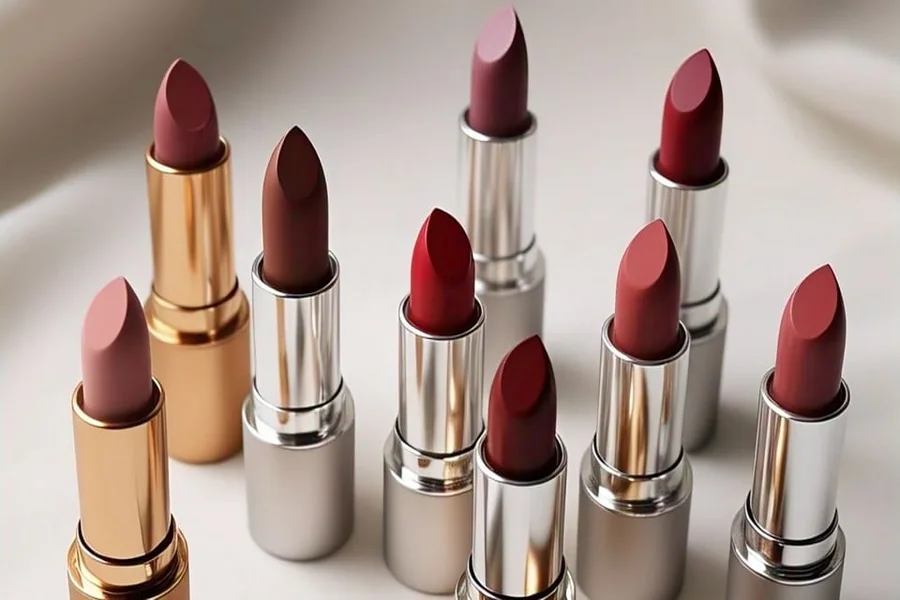
Choosing a lipstick color shouldn’t be a game of chance. Colors that seem ideal in the tube may look dull, harsh or too bright on the lips. After a brief discussion of a few basic principles, selection of lipstick colours is not difficult at all. This guide will show you how to make subtle undertone, skin depth, finish and occasion, step by step.
How to Choose Lipstick Colors: The Quick Answer
The first step in learning how to choose lipstick color is to determine your skin tone (warm, cool, or neutral). Coral, peach and brick skin tones do well in neutral shades and warm colors. Berries, roses and blue-red are cool skin. Most colors will work on neutral skin. Then consider your natural lip color, the event and the type of finish you’d prefer. Check the shade in daylight before purchase.
Step 1: Find Your Skin Undertone
Undertone refers to the undertone, or soft color, that lies under the skin’s surface. Does not fade with tanned or flushed skin. It is the foundation of picking lipstick shades which are most suitable for you.
Do the following simple tests:
- The vein test: A warm undertone will often show in greenish veins. Cool ones frequently have blue or purple veins. Neutral is suggested by a mix.
- Jewelry test: Gold will appear more flattering on warmer skin. It’s best to wear silver on cool skin. If both are good, you might be neutral.
- White paper test: Place a sheet of white paper in front of your bare face in the sun. Yellow/golden skin is warm. Pink/rosy skin is cool.
These tests are guidelines, not rules. If the results differ, you’re probably a neutral.
| Undertone | Common Signs | Lipstick Shades That Often Work |
| Warm | Golden or peachy skin, gold jewelry suits you | Coral, peach, terracotta, brick red, warm nude |
| Cool | Pink or rosy skin, silver jewelry suits you | Berry, plum, rose, raspberry, blue-toned red |
| Neutral | A mix of both signs | Mauve, dusty rose, soft red, most nudes |
Step 2: Think About Your Skin Depth
Skin depth” refers to the lightness or darkness of your skin tone. The color family is selected by Undertone. Depth helps to decide the darkness of the shade. To make the most of your lipstick color choice without having to try them all, both of these options are a good idea.
- Fair skin: Soft pink/rose/Sheer berry are the fresh appearance. Very dark shades can be heavy, but if bold look is desired, these would work.
- Light to medium skin: light to medium skin tones favor peach, coral, mauve and classic red tones.
- Nude shades and shades of terracotta, warm red, deep rose and brown add warmth to the skin tone.
- Dark skin: Dusky plum, wine, dark berry, chocolate brown and deep fuchsia are good choices. Very light nudes will look like chalk unless they have a warm undertone.
Step 3: Check Your Natural Lip Color
Your lips are individual and it makes a difference in appearance. Tints and sheers allow your lip colour to peek through. It is completely covered by fully opaque formulas.
Dark lips may appear lighter and cooler than they really are if you use a light lipstick. You might need a thin layer of concealer or a lip liner of the same shade. A tinted balm is all you will need if you have a paler lip.
In learning the colour of lipstick you should swatch it on your lips, not just your hand. Your fingertip pad is also a better colour match to lip colour than the back of your hand.
Step 4: Match the Shade to the Occasion
Several shades could be necessary for the same person. Consider your destination.
- Work/school: Soft nude, rose or muted berry colors look polished and calm.
- Everyday wear: Tinted balm, peach or sheer pink looks simple.
- Evening events: Classic red, plum or wine brings drama.
- Photos and events: A little bit of colour never hurts, as saturated lights and camera flashes can cause soft shades to get washed out.
Step 5: Pick the Right Finish
Finish changes how a color looks and feels. The same red looks very different in matte and gloss. Finish is a key part of how to choose lipstick colors that you will enjoy wearing all day.
| Finish | Look | Best For | Keep in Mind |
| Matte | Flat, no shine | Bold colors, long wear | Can feel dry, so prep lips first |
| Satin | Soft, light glow | Daily wear | Comfortable for most people |
| Cream | Rich and smooth | Full color payoff | May transfer more |
| Gloss | Shiny and juicy | A fuller-looking lip | Needs touch-ups |
| Sheer or tint | Light wash of color | A natural look | Needs layering for strong color |
How to Test a Lipstick Shade Before You Buy
Testing is the most accurate way of selecting lipstick colors. Screening and packaging can be misleading.
- Shade your lips/fingertip pad.
- Test it by a window, in the daylight.
- Don’t just look in the mirror as you do when you are close.
- Let it sit for a few minutes to see how it lays.
- Apply using a clean applicator or disposable wand in stores.
When buying online, check the shade description. Examine swatches that match the skin tones that you are looking to match.
Common Mistakes to Avoid
So many mistakes with lipstick colors stem from haste. Beware of these:
- Judging by the tube: The colour of the bullet may be quite different on your lips.
- Undertone: If you don’t like a shade’s undertone, it may clash with you.
- Avoiding lip care: Dry lips will give any lipstick a patchy appearance.
- When it comes to following trends, just because it’s a trend, it’s not necessarily a good shade for you.
- Near duplications: There are many people who have purchased 5 almost identical nudes and still don’t have a great evening shade.
Build a Small Lipstick Collection
If you’re beginning to learn how to apply lipstick colors properly on a budget, begin with three colors:
- An everyday nude or rosy pink
- A classicberry or red color for events
- For fun, a bold or deep color.
They can be used light or full coverage. That means more shots with fewer products.
Final Thoughts
Making a selection of lipstick colors doesn’t have to be difficult. Start with your undertone, then consider skin tone, lip color, finish and the event. Test all the shades in daylight and take the word of the person who feels them!
Keep in mind these are guidelines, not rules. The ideal lipstick is the one that makes you feel good. Try some of the better shades first, then slowly add in some of the other shades one by one, and have fun.
FAQs
What about if I don’t know my undertone, how do I pick lipstick colors?
Test the vein, jewelry and white paper. If the results are mixed you are likely to be neutral. Neutral skin is good in mauve, dusty rose and soft red.
Does anyone have tan or dark skin tones who can wear a red lipstick?
Yes. You can find a red for nearly everyone. Orange-red or brick is a good color for warm skin. Blue-red or cherry may be well complemented by cool skin. Try a few out first to make the decision.
How to choose lipstick colors for thin lips?
Lighter, glossier or satin colors tend to make lips look fuller. Very dark matte colours can make lips appear smaller. The center of the lips has a bit of gloss which makes them soft.
What are some lipstick colors to wear with dark lips?
Choose opaque, creamy formulas and prepare with a thin layer of concealer or a similar liner. Shades may not be visible in sheer shades. Berries and browns tend to mix more harmoniously if they are deeper in color.
Should my lipstick be the same colour as my clothes?
Not exactly. Your lipstick should complement your skin. Bonus if it applies to clothing as well. Neutral clothing is an outfit that can go with nearly every color.
Should I wear different lipsticks for the daytime and night?
It is an aid but not mandatory. Many people are wearing a light colour during the day and a dark colour at night. Also layer: sheer for the day, full coverage at night.