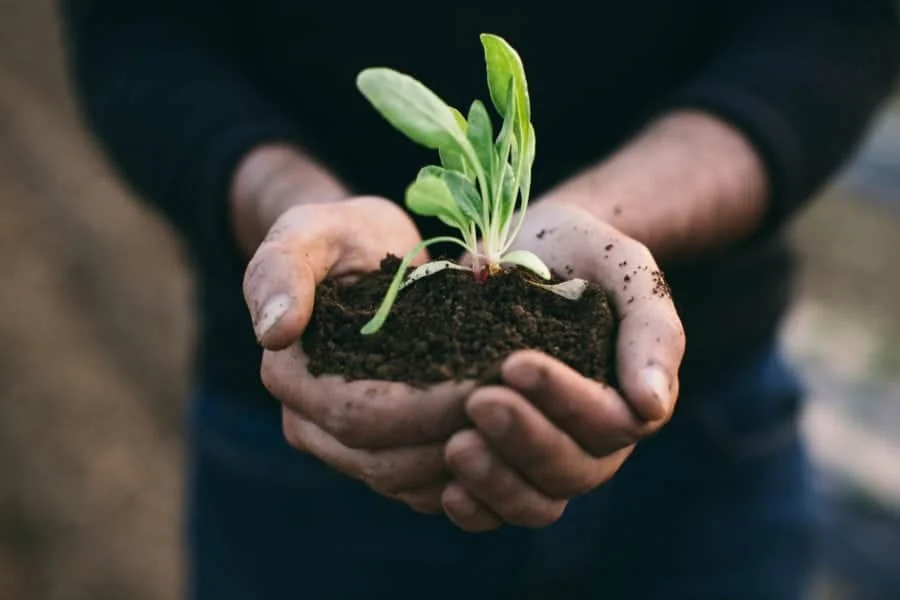
Simple habits that help reduce waste, conserve natural resources and improve the environment are all part of sustainable habits for everyday use. It’s not a matter of changing the whole lifestyle to make a difference. Even things like using reusable bags, saving electricity, cutting down on food waste and taking the bus can make a difference if they’re done regularly. Sustainable living is a concept of making conscious choices that affect people and the planet. Simple changes are easy to implement, and so are simple improvements to a green lifestyle, without having to spend too much money or complicate everyday life.
1. Reduce Waste and Reuse Everyday Items
The easiest tip for sustainable living is to cut down on waste. Many household products are single use, and discarded. Waste bins can fill up rather quickly with plastic bags, disposable cups, food packaging and paper waste. The less these are there, the more it is beneficial to the environment and reduces waste going to landfill.
First of all, bring a reusable shopping bag when you go to the store. Have refillable water bottles and use a lunchbox rather than disposables. These little tweaks are simple to keep up and can save cash with time.
It’s also good to be a reuser. Small household items can be put in glass jars, such as spices or buttons. Old clothes can turn into cleaning cloths and cardboard boxes can be used to organize storage spaces. Don’t throw away if it can be used for something else.
Recycling also has an important part to play but it is not a substitute for reducing and reusing. Follow the recycling guidelines for separate materials and avoid placing paper and cardboard with food waste. Knowledge of waste reduction can present some opportunities for you to make your home more sustainable.
2. Save Water and Electricity at Home
Water and electricity are vital to everyday life but over-consumption contributes to higher bills and greater pressure on natural resources. A few little habits will help you save on your consumption without compromising on comfort.
Switch off lights when not in use and turn off appliances when they are not being used. If chargers and other devices are drawing standby power, unplug them. Use energy-efficient light bulbs and appliances (if possible) that are suitable for your needs.
Natural light can also help save on electricity usage throughout the day. Avoid turning on lights at once when there is enough sunlight, open curtains and blinds. When it’s not too hot, ventilate naturally to keep your home comfortable before allowing fans or air conditioning.
Conservation of water is also important. Fix dripping faucets, turn the tap off when brushing your teeth and only wash dishes with the water that is necessary. Water collected can also be used to water plants in suitable areas where local conditions and safety permit.
Laundry habits make a difference as well. When possible, wash full loads and wash clothes with cold water when they do not need to be washed with hot water. Drying clothes in the air can save electricity and extend the lifespan of clothes.
The objective is not to make life difficult. It’s important to identify resource loss and make wise decisions where feasible.
3. Make Sustainable Food Choices
Choices about food are also a key component of living sustainably. Choices made in the production, packaging, transporting and disposal of food impact the environment. It’s not essential to follow a strict diet in order to make better choices. Starting to make food plans, cut waste and use ingredients effectively is a good start.
Plan meals prior to shopping to purchase foods that are likely to be consumed. Always look in the refrigerator and pantry before buying anything. Create a shopping list and avoid purchasing more fresh food than will be consumed before it goes bad.
Proper food storage can also stop food loss. Store all leftovers in clean, covered containers and store older leftovers in sight. If not used within a reasonable time, freeze appropriate foods and mark containers with dates to aid in meal planning.
Buy local seasonal fruits and vegetables, when possible. These choices can be more recent, and in some cases may need less travel or storage. But it’s not always the case that local food is the most sustainable option, since the impact of food chain is influenced by various considerations related to its production and transport.
Another way to add more plant-based meals to your week is to make them a regular occurrence. Meals using beans, lentils, vegetables and grains can be a valuable source of nutrients, and offer some alternatives to meat-based meals. Begin by having one or two plant-based meals per week and experiment with different recipes based on your tastes and budget.
Another possibility for composting is adequate food waste. Composting of fruit and vegetable waste may be possible in a garden or at a community composting facility to benefit the soil.
4. Choose Greener Transportation and Shopping Habits
Your choices of transportation and shopping may affect your eco-footprint. Some simple adjustments to your means of transportation and the way you buy things can help you have a more sustainable life and manage your everyday costs.
Where safe and practicable, walk or cycle for short distances. There are options that don’t need fuel, and they can easily become part of your daily routine. If traveling farther, public transit can help decrease the amount of private vehicles driving on the streets. If your schedule and destination are similar, you could car pool with coworkers or friends.
No need to trade in the car just yet to better transport options. Fuel saving tips include consolidating errands, proper vehicle maintenance and eliminating unnecessary trips.
Shopping behaviour is also a factor. If you’re going to purchase something new, ask yourself if you truly need it. When items are not unnecessary, they are not being purchased, which leads to less packaging, manufacturing and clutter in the house. If a product is needed, go for something that can be repaired and not replaced in a matter of moments.
Second hand items such as clothes, furniture, books and household items can be a valuable alternative to purchasing new items. You can save money and resources by borrowing tools or using un-used equipment with neighbours.
Don’t judge products by their packaging. Think about the durability, the ability to be repaired, why the material is of good quality and if it will last for a long period of time. The products that are reusable, help when they are used over and over, not bought and lost.
5. Build Sustainable Habits That Last
It’s easier to live sustainably if it is a part of your daily life. If you make too many changes at once, it may seem overwhelming – particularly if you don’t have enough time or money. It’s better to select a few realistic steps and practice those until making them a habit.
Start by recognizing where you’re using the most resources. If you routinely get rid of leftover food items, pay close attention to planning your meals. When electric bills are high, look at the lighting, cooling and appliances. If you’re a frequent throwaway shopper, bring in reusable options.
Make achievable and measurable goals. You could, say, use a reusable shopping bag every time you go to the market or cook at home a few days a week. Keeping an eye on these can help you recognize progress and what adjustments are needed.
Also, it is important to get other people in the household involved. Take simple tasks – pick up the rubbish, turn off lights, organise meals for the week, etc. If everyone is involved, sustainable decisions become a part of the family lifestyle rather than a solitary responsibility.
Avoid expecting perfection. It is not always possible to use a reusable bag, you might buy something that comes in a lot of packaging, or you might need to take a car when there is no public transport. Don’t forget that these situations do not diminish the merit of your other work. When you can, make better choices and continually improve with time.
Keep in mind that sustainable living doesn’t have to be costly. Reducing electricity use, avoiding food waste, fixing things up and purchasing only when necessary can help save money. Often times the best habits are those that are most budget-friendly, schedule-friendly, and environmentally friendly.
Final Thought
Sustainable lifestyle habits don’t need to be a radical change in your lifestyle. They start making simple choices, which with repetition become easy. Becoming more waste-free, water efficient and electric conscious, planning meals, using practical modes of transport and sensible shopping can help us become more responsible.
Begin with two or three habits that seem easy to you and increase the number over time. Focus on the trends that make sense for your home instead of all the sustainability trends. While the individual acts may not matter much, the cumulative impact of repeated acts can have a significant effect.
But a sustainable lifestyle is not about perfection. It’s also about taking practical action with resources, about thinking about what you choose to do, and about establishing habits that promote health and the environment. One change at a time, over time, choices can contribute to a greener future.
FAQs:
- What are sustainable habits for everyday living?
Sustainable habits are simple daily actions that reduce waste, conserve natural resources, save energy, and help protect the environment.
- How can I live a more sustainable lifestyle every day?
You can live more sustainably by using reusable bags, saving water, reducing plastic waste, choosing public transportation, and avoiding unnecessary purchases.
- What are some easy sustainable habits for beginners?
Start with small changes, such as carrying a reusable water bottle, turning off unused lights, separating waste, and using reusable shopping bags.
- Why are sustainable habits important?
Sustainable habits help reduce pollution, conserve resources, protect wildlife, and create a cleaner environment for future generations.
- How can I reduce waste in my daily life?
Reduce waste by reusing containers, repairing damaged items, buying products with less packaging, composting food scraps, and recycling properly.