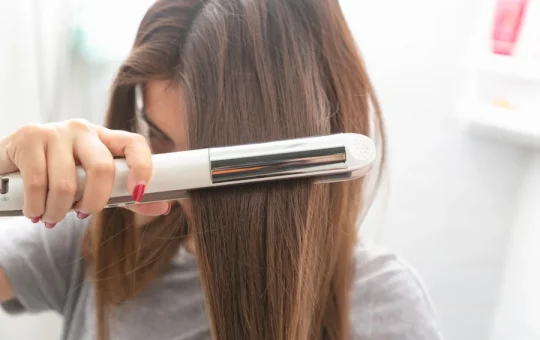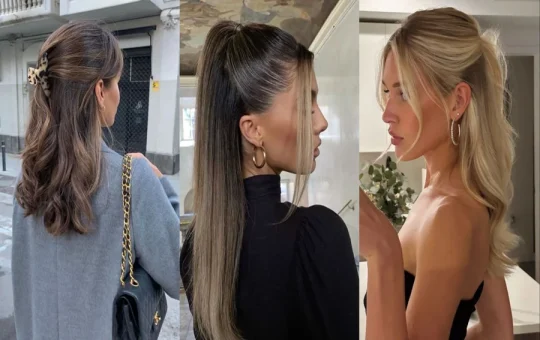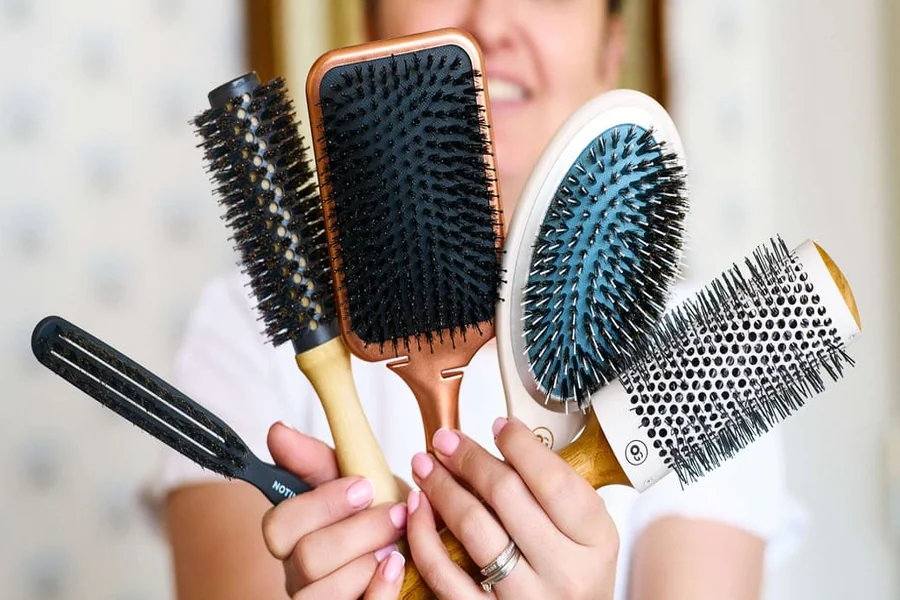
The first step to find the best hairbrush is to know the type of your hair. Soft and gentle bristles are what fine hair requires. If you have thick or curly hair, opt for flexible and spaced apart pins. For boar bristles, straight hair suits is the best choice. Now, think about what you want to achieve – detangle, smooth or style. Finally, check the bristles tips, handle grip and the size of the brush to make sure that the brush will not tug or tear your hair and is comfortable to use.
Most of the people select a hairbrush based on the look. Afterwards they ask, “Why does my hair frizzle, break or hurt when I brush it?
The facts are simple. You will find it easier to take care of your hair if you use a brush that is appropriate to it. Otherwise, you will end up with you with static, split ends and lots of pulling.
This guide will provide you with tips on selecting the best hairbrush for your hair type, routine and budget. You will also find out what not to do and how to maintain your brush.
Why the Right Hairbrush Matters
Your hairbrush comes in contact with your hair on a daily basis. This will accumulate over a period of time.
A quality brush will distribute the natural oils from the root to the tip of the brush. This can result in a soft and shiny surface. Does not tangle when not in use.
It can do the opposite with a substandard brush. The strong bristles may irritate the scalp. Close quarters can cause clumping of the hair. Rough-tips can cause the hair to get frizzy and roughen the surface.
For this reason, it’s crucial to understand how to choose a hairbrush.
How to Choose a Hairbrush by Hair Type
Hair type is the best starting point. Look at thickness, texture, and how easily your hair tangles.
| Hair type | Best brush choice | Why it works |
| Fine or thin | Soft nylon or boar bristle cushion brush | Gentle on delicate strands and less likely to cause breakage |
| Thick | Paddle brush with firm, widely spaced bristles | Moves through a large amount of hair with less pulling |
| Wavy | Mixed-bristle or cushioned paddle brush | Smooths hair without flattening the wave pattern |
| Curly | Flexible detangling brush or wide-tooth comb | Separates curls without pulling them apart |
| Coily | Wide-tooth comb or detangling brush on damp, conditioned hair | Reduces snagging on tightly coiled strands |
| Straight | Boar bristle or mixed-bristle brush | Spreads oil and adds a smooth finish |
| Damaged or color-treated | Soft, flexible brush with rounded tips | Limits stress on weak hair |
If you are unsure, start with a flexible, gentle brush. It is safer than a stiff one.
Know the Main Types of Hairbrushes
Each brush shape has a job. When you compare shapes, how to choose a hairbrush comes down to matching the tool to the task you do most often.
| Brush type | Best for | Keep in mind |
| Paddle brush | Daily brushing, long or straight hair | Too wide for detailed styling |
| Round brush | Blow-drying, adding volume or curl | Can tangle in long hair if used carelessly |
| Vented brush | Faster blow-drying | Not made for deep detangling |
| Detangling brush | Knots, wet hair, curls | May not give a very smooth finish |
| Boar bristle brush | Shine and smoothness on fine to medium hair | Needs regular cleaning; less effective on thick knots |
| Cushion brush | Gentle brushing and sensitive scalps | Not ideal for heavy styling |
Many people need two brushes: one for daily use and one for styling. That is perfectly normal.
Check the Bristle Material
Bristle material changes how a brush feels and works. It is a key step in how to choose a hairbrush you will actually enjoy using.
Nylon bristles are strong and flexible. They suit thick hair and detangling, and they are easy to clean.
Boar bristles are natural and closely set. They can help spread scalp oil and smooth the hair surface. They work best on fine to normal hair.
Mixed bristles combine boar and nylon. They smooth and detangle at the same time, which makes them a good all-round choice.
Flexible plastic pins are common on detangling brushes. They are gentle when the tips are rounded.
Metal or ceramic barrels appear on many round brushes. They hold heat from a blow dryer, so use a heat protectant.
Look at Bristle Tips, Spacing, and Flexibility
These are some minor factors to consider while making a choice of the hair brush to use everyday.
- Tips: Rounded or ball tips glide right over the scalp. Scratching may occur if there are rough or sharp ends. Feel the bristles before purchasing.
- Spacing: Wide spacing – in thick and curly hair. Fine, straight hair is a good fit for close spacing.
- Bristles: Should be slightly bendable. Stiff bristles hold knots, don’t let them go.
Pick the Right Size and Handle
There is a disconnect between people and how important size can be.
A large paddle brush can extract more hair in a shorter amount of hair. A small brush will be easier to transport and is suitable for shorter hair.
Another thing to take into account when choosing a hair brush is the handle. Should be well balanced and easy to hold. Grab anti-slip handle if hands are damp. A light handle will reduce the stress if you blow-dry regularly.
How to Choose a Hairbrush for Your Styling Goal
Consider what you would like to get out of your brush today.
- Detangling: Use a flexible detangling brush and work from the ends to detangle.
- Smooth and shiny hair: Use a boar brush or brush with a combination of bristles.
- Using a round brush – Volume, blow dry.
- Vented paddle or vented round brush – dries faster.
- Close set ponytail: Use boar bristle brush with close set.
Wet Hair vs. Dry Hair
When hair is wet and free to stretch, it breaks more easily than when it’s dry. Another factor is the time at which the hairbrush needs to be used.
Wet hair – wide toothed comb or flexible detangling brush. Break the problem down into smaller parts. Start from the ends and go towards the centre.
A large number of individuals with curly hair only brush once their hair is wet and treated with conditioner. Generally, a daily brush will work fine for dry hair.
Mistakes to Avoid
If you don’t fall into these traps, you’ll reap much greater benefits from the tips you’ll find here on choosing a hairbrush:
- Purchasing a brush based on appearance.
- Using one brush for each application.
- Brushing damaged or fine hair with stiff bristle brushes.
- Rooting through the brush in order to push through the knots.
- Failure to pay attention to sensitive scalp.
- Failure to clean the brush.
How to Care for Your Hairbrush
If you have a clean brush, you don’t need to worry about putting back oils, dust and styling product into the locks.
- Brush then clean brush to remove free hairs.
- Brush should be cleansed with warm water and mild shampoo as necessary, once every a week, or once every other week.
- Rinse and dried well with bristles down.
- Never wet natural cushion brushes or wooden handles.
- Remove brush when bristles bend, come out or crack.
Quick Checklist: How to Choose a Hairbrush in 6 Steps
- Find out what your hair type and thickness is.
- Define your goal: Detangling, smoothing or styling.
- Select the appropriate type of bristles for your hair.
- Examine tips – should be rounded and bristles – should be soft.
- Select size and grip that is comfortable.
- Make sure to regularly clean the brush.
Final Thoughts
There is no Universal best brush. It will rely on your hair type, your style and your stance on your hair.
Once you get the hang of selecting a hairbrush, the remainder is easy. The bristles should be compatible with your hair type, have a shape for your goal, rounded tips and a good grip.
Brush with soft bristles, don’t brush too hard and be extra careful with wet hair. Brushes can be a good tool to use to control your hair and treat your scalp as well.
FAQs
1. What is the best hairbrush for everyday use?
For most people, a mixed-bristle or cushioned paddle brush works well. If your hair knots easily, choose a flexible detangling brush instead.
2. How do I know how to choose a hairbrush for thin hair?
Choose soft bristles with rounded tips and a cushioned base. Avoid stiff, tightly packed pins. Brush gently and start at the ends.
3. Are boar bristle brushes better than nylon brushes?
Not always. Boar bristles are good for shine on fine to normal hair. Nylon bristles work better on thick or curly hair that needs detangling. Mixed bristles offer a balance of both.
4. Can the wrong hairbrush cause hair loss?
A rough brush can break strands and irritate the scalp, which may look like thinning. Hair loss from the root usually has other causes. If you are worried, speak with a doctor or dermatologist.
5. How often should I replace my hairbrush?
There is no fixed rule. Replace it when the bristles are bent, loose, or cracked, or when it is hard to clean.
6. What is the easiest way to learn how to choose a hairbrush?
Start with your hair type. Then match the brush to your main goal. Finally, check the bristle tips, spacing, and handle comfort.