The frequency in which you wash your hair can make a huge difference in your hair care. Some individuals require daily shampoos, others can wash their hair a few days apart. The ideal time will vary according to your scalp type, hair type, lifestyle, and products. Excessive washing can dry certain hair types, while under washing can lead to a build up of oil, sweat and products. The aim is to wash your hair as little as possible in order to keep the scalp clean and the hair comfortable.
How Often Should You Wash Your Hair?
One washing program that fits everyone is not possible. Sebum is an oil that your scalp naturally makes to keep your skin and hair moisturized so they don’t get too dry. Too much oil, though, will lead to a greasy appearance and allow dirt and product buildup to collect on your hair.
If you are one of those who can wash every 2-3 days, this is a good place to start. Those with oily scalp may require daily washing while those with dry, curly or thick hair can wash every other day.
Your lifestyle also plays an important role. Those who work out a lot and sweat a lot or are working in dusty surroundings, might need to wash their hair more frequently. If, however, you feel comfortable in the scalp, and your hair appears clean for a number of days, then you do not need to wash it daily.
An ideal regimen should make your scalp feel clean, but not dry, itchy or irritated. Listen to your hair and make changes as needed.
How Hair Type Affects Your Washing Schedule
One of the most significant factors to consider when determining how often to shampoo is the type of hair you have. The texture causes different distribution of natural oils and thus the rate of oiling/drying of the hair.
Straight hair: With straight hair, sebum tends to be easier to see and more rapidly because it flows easily along the hair shaft. If scalp gets greasy after 1 day then it might be best to wash every other day.
Wavy hair: If your hair is wavy, you may need to wash it every 2-4 days depending on the amount of oil your scalp produces. A light shampoo will not weigh down your waves but will remove excess oil.
Curly hair: This is attributed to the fact that natural oils will not flow as easily along curly hair as they do on straight hair, making curly hair drier. Some individuals may only need to wash once or twice a week. Use a soft, moisturizing shampoo to keep hair soft.
Coiled hair: Coiled hair may require additional moisture from its structure as it tends to be drier and more fragile. Scalp washings every 7 to 14 days might be suitable for some people, but scalp condition, protective styles and products will dictate this.
Fine hair: This type of hair can appear coarse or greasy if they have been oiled up by natural oils or styling products. Daily or every other day washing can help to keep volume up.
Thick hair: Thick hair can be less prone to looking greasy, but should still be washed regularly. Washing every other day or once a week could be appropriate depending on texture and oil production.
Keep in mind that length and thickness of hair does not equal the oil production on the scalp. You can have thick hair or thin hair with oily scalps or dry scalps. Select when you want to schedule based on both.
Signs You May Be Washing Your Hair Too Often or Not Enough
It’s important to look at your hair and scalp to see if your routine needs to be adjusted. Rather than a rigid rule, monitor for changes that show up regularly.
When the washings are done too often, you might find that your hair is rough, dry, or unmanageable. Your scalp may also feel tight or irritated, particularly when using a rough shampoo or hot water. Washing the hair too often can strip away the surface oil from already dry or brittle hair.
Too infrequent washings could leave your scalp oily, itchy, or irritated. You may see flakes, a strong odor or product residue from styling products. These symptoms may be due to insufficient removal of oil and buildup in the current routine.
But dandruff doesn’t always occur when someone doesn’t wash as often as they should. It can also be linked to conditions of the scalp like seborrheic dermatitis. If the itching, redness or flaking persists, a medicated shampoo might be needed or the dermatologist’s advice.
Make gradual changes to your schedule to get the right balance. If your scalp does seem oily, before you next wash it, consider washing it a bit earlier. If hair keeps getting dry after shampooing, try shampooing every other day or using a soothing shampoo.
How to Wash Your Hair the Right Way
It’s not just about how often you wash your hair, but also how you wash it. A mild method is being able to keep the scalp clean without causing any unnecessary harm to the hair strands.
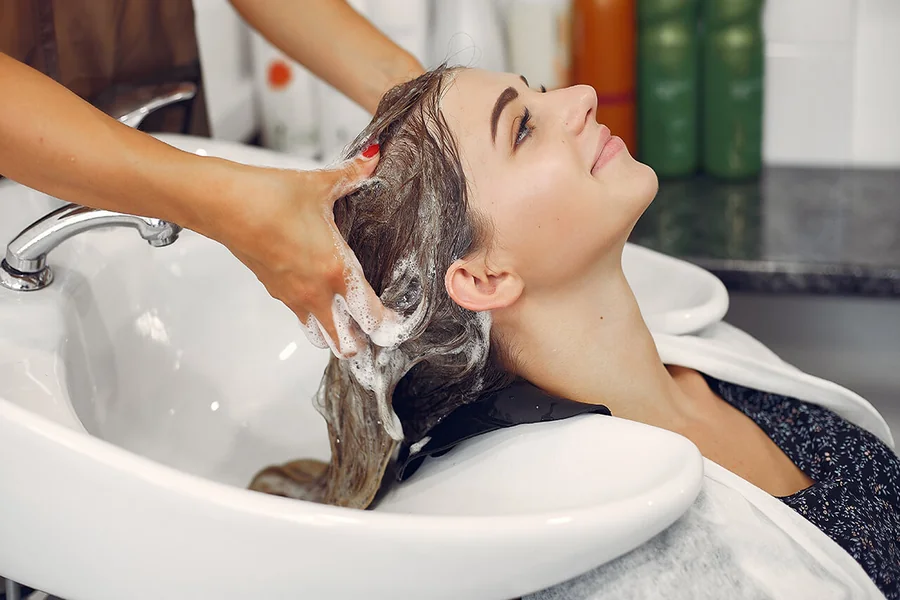
Begin with warm but not hot water to wet hair thoroughly. Use enough shampoo on the scalp but don’t put shampoo on the ends. Gently massage shampoo into the scalp with your fingertips. Don’t scratch with nails as this can irritate the skin.
Rinse off combing product, oil and any loose debris. A second shampoo might help if your hair is quite oily or has heavy hair products applied. But the majority of people do not require to shampoo twice on every occasion.
Use conditioner primarily in the lengths and ends of hair to keep it soft and moist, particularly if it is dry, curly or prone to tangling. Finer hair individuals might like a lighter conditioner and less quantity. Do not rinse until it has been left on as per the instructions on the product.
Do not vigorously towel-dry your hair. Press out excess water, and use a soft towel or microfibre towel to minimise friction. Try to avoid high heat when drying hair, if you can.
The selection of appropriate products is also important. Generally, a mild shampoo is sufficient for regular cleansing, but those with particular concerns may want to use products that are formulated for them. There are other tips to hair care to read on to know how you can create a routine that suits your needs.
Should You Wash Your Hair Every Day?
Saying that daily hair washing is bad is not necessarily true. For some individuals, it’s the most convenient method to take care of excess oil, sweat, as well as dirt. Daily shampooing may be appropriate in cases of a very oily scalp, in hot weather or when exercising on a daily basis.
The trick is to select a shampoo that is suitable for your scalp and hair type. A mild shampoo will work to cleanse without leaving hair too dry. Water should be luke-warm and scrubbing too heavily is not done.
If your scalp remains clean and comfortable for a few days, however, it may not be necessary to wash your hair every day. Those who have curly, coily, chemically treated or bleached hair might find it helpful to wash less often, as these hair types may be more prone to dryness and breakage.
When it’s appropriate, you can rinse your scalp with water, if you’re exercising daily and don’t want to shampoo every day. Alternatively, lengths can also be conditioned as necessary. Remember that although water can help remove excess oil or heavy styling products, it might not be effective enough.
Dry shampoo can temporarily absorb oil and make hair looking greasy and oily appear neat and tidy. It is not meant to be a substitute for normal cleansing, however. It should be used as a permanent hair care product only occasionally, not all the time.
Final Thought
The frequency of hair washing is dependent on your scalp, hair type, way of life and personal requirements. Some people prefer washing daily, others can wash every few days or a week without any problems. Both are not necessarily correct or incorrect.
Begin with a schedule that works for your hair type, and then modify it according to oiliness, dryness, itching, and product build up. Gently shampoo and massage without scratching on the scalp and condition as needed.
Most of all, don’t be tempted to use someone else’s washing routine! Just because you use the same products doesn’t mean your hair will react the same as a friends or family member’s hair will react. There are ways to make simple changes — with a little observation — that can help keep your scalp cool and your hair healthy.
FAQs:
- How often should you wash your hair?
Most people can wash their hair every two to three days, depending on their hair type, scalp condition, and lifestyle.
- Is it okay to wash your hair every day?
Yes, daily washing can be suitable for people with oily scalps or those who sweat frequently. Use a gentle shampoo to avoid excessive dryness.
- How often should you wash oily hair?
If you have an oily scalp, you may need to wash your hair daily or every other day to remove excess oil and keep your scalp fresh.
- How often should you wash dry hair?
Dry hair usually benefits from washing once or twice a week with a moisturizing shampoo to help maintain its natural oils.
- How often should you wash curly hair?
Curly hair often needs washing once or twice a week because its natural oils have difficulty traveling down the hair strands.