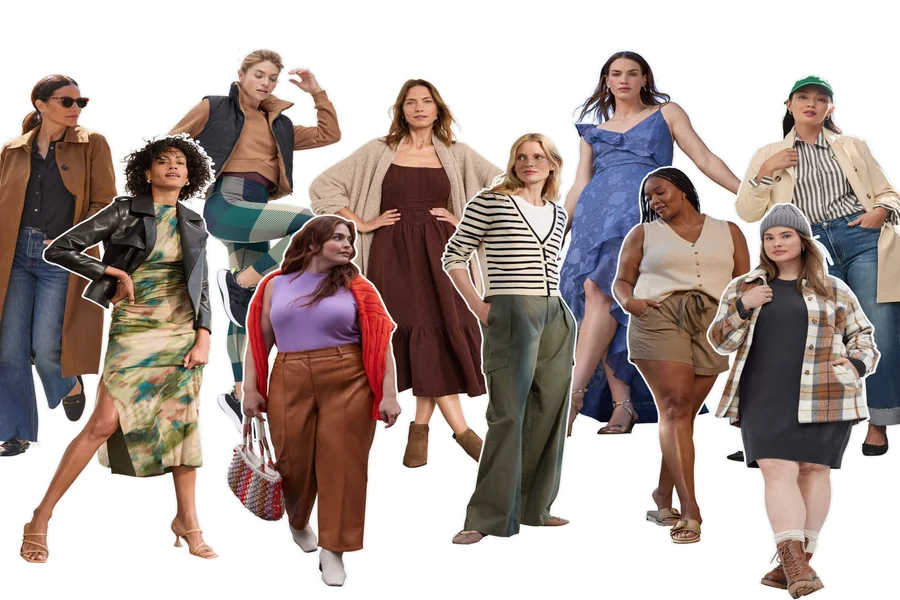
Ever had a closet with nothing in it and no idea on what to wear? You are not alone. So many people buy clothes that look like a good fit in the clothesline and don’t fit into their lifestyle. One of the most common things that is missing is the sense of style that is unique to them.
This guide will give you some easy tips on how to find your own personal style, get out of the ‘red zone’ of overspending and how to wear it with assurance.
What Is a Personal Fashion Style?
Your personal style of fashion is the way you always select, mix and combine clothing to show your personality. The key steps to finding it are to observe what you love to wear, gather ideas, think about how you live and how comfortable you are in your body, and try out small changes. Patterns are created over time with colors, shapes and fabrics. Those patterns reflect your style that you might develop as you do.
Style is NOT a trend! Fashion is constantly evolving and one season changes to the next. Style is a thing that remains and evolves gradually.
Why Your Personal Fashion Style Matters
If you are familiar with your personal style of clothes, you’ll have them on in no time at all. You have fewer impulsive purchases. Your clothes match up, so you get more out of fewer!
This builds self-confidence as well. If one’s clothes look like “you”, this means that one is not concerned about what others think.
Step 1: Study Your Current Wardrobe
The first step is to analyze your existing wardrobe.The first step is to assess your current wardrobe.
Open the closet & grab the clothes you wear the most. Put away clothes that you like but don’t wear often. Then ask yourself:
- What are the most comfortable clothes to wear?
- Which colours do these repeat?
- Which fits is a good fit?
- What am I NOT supposed to wear and why?
Create a collage of pictures of your favorite clothes. Patterns will become apparent rather rapidly. The patterns are the fashion style “building blocks” you have.
Step 2: Think About Your Lifestyle
Clothes must fit your real life. A look built for a runway will not work if you spend your days at a desk, on a campus, or with young kids.
| Lifestyle | What to Prioritize | Example Pieces |
| Office or corporate | Polished fit, easy-care fabric | Blazers, tailored trousers, loafers |
| Remote work | Comfort with a put-together look | Knit tops, relaxed trousers, clean sneakers |
| Student | Easy layers, durability | Jeans, hoodies, comfortable shoes |
| Active or outdoor | Movement, weather protection | Athleisure, light jackets, trainers |
| Creative or social | Expressive details | Bold prints, accessories, unique jackets |
Your personal fashion style should work for the days you live most often, not just special events.
Step 3: Collect Style Inspiration
Use pictures on Pinterest, Instagram, magazines or on the street. Don’t think too much, just save outfits that you enjoy.
Once you practice your saves for 20-30 times, repeat them. What kind of colours do you tend to save, loose patterns, neutral prints, sharp lines? Select clothes that you would wear, not just what looks good on someone else.
Don’t wear a costume that looks just like a celebrity’s. Use ideas like the color mix, the shape or the layering, but change them to suit your life.
Step 4: Learn Common Style Types
Style labels give you words to describe what you like. You do not have to fit just one.
| Style | Key Traits | Typical Pieces |
| Classic | Timeless, neat, neutral | Trench coat, white shirt, straight jeans |
| Minimalist | Clean lines, few colors | Plain tees, structured basics |
| Casual | Relaxed, comfortable | Jeans, sneakers, t-shirts |
| Bohemian | Flowy, earthy, layered | Maxi dresses, scarves, natural fabrics |
| Streetwear | Bold, urban, sneaker-focused | Oversized hoodies, cargo pants, graphic tees |
| Edgy | Dark tones, structured | Leather jacket, boots, black denim |
| Romantic | Soft, detailed | Lace, florals, pastel shades |
Many people blend two or three, such as classic with a touch of edgy. A mix often feels more natural than a strict label for your personal fashion style.
Step 5: Choose Your Colors and Fit
Colors have an impact on your mood and emotions. Choose 2-3 neutrals that you love, and 2-3 accent colors. Pay attention to which colors make you feel good.
Fitting is more important than price. It is still better to have a simple shirt that fits properly than a costly shirt that is not properly fitted. Discover which waistlines, sleeve lengths and trouser widths fit you. Sit comfortably and confidently.
Step 6: Test Before You Commit
Start small. Introduce a new outfit or idea for each week. Try it on and see how it makes you feel.
Ask yourself:
- Am I feeling like my usual self?
- Does it feel good all day long?
- Would I wear it again?
If yes, continue reading. If not, adjust. It’s not one decision that you make and you’re done with it, it’s a journey of trial and learning.
Step 7: Build a Simple Capsule Wardrobe
A capsule wardrobe is a collection of items that are versatile to wear in multiple combinations. It eliminates clutter and helps you express yourself. A basic starting point:
- 5 to 7 tops
- 2 to 3 bottoms
- 1-2 layers: jacket, cardigan etc.
- 2 pairs of shoes
- A few accessories
Modify the numbers to fit your climate and schedule. As you shop, ask yourself: will this complement my color palette, lifestyle style and fit in with at least three items that I already have?
Common Mistakes to Avoid
- Following all the trends: Only take on the trends that fit you.
- Only buying on sale: If you don’t wear something cheap, then it is not worth the price.
- Copying others: Other people’s style is not for us.
- Not paying attention to comfort: if it hurts, or makes a difference, you will not wear it.
- Impatient with results: It will take time to find a personal style.
How to Keep Your Style Fresh
Clothing needs vary through life! Changes in your work, city or pastime can alter your wardrobe. Do a seasonal closet check. Clean out what doesn’t fit and make minor changes.
Your own personal style should be adaptable. Allow it to manifest in a manner that retains your favorite concepts.
Final Thoughts
There are no rules to finding one’s personal style. Find out what you love and relate it to life and try out ideas in small steps.
There’s no need for a major budget or an ideal closet. Must have a curious, patient, and inquiring mind. Start with the 5 outfits you love and see what similarities you can notice. This is the first indication of your personal fashion.
FAQs
How long does it take you to discover your personal style?
No fixed time, just as there is no fixed time. Some see patterns within weeks. Some take a couple of months. Routine testing and sincere self-examination accelerates.
Is it possible to change your fashion sense over time?
Yes. Things change with age, work, place and taste. Your main preferences remain consistent, but things change.
Where can I get my style on a not so big budget?
Do what you have, with what you have. Help can be found at thrift shops, second hand apps, and sales. Purchase a couple of good quality items rather than lots of low quality items. When you have a clear idea of your own personal fashion style, you’re not wasting money.
Is there just one style type I’m required to follow?
No. It is not uncommon to mix styles. Select the elements you like from each one of them and mix them together.
What if I do not like anything that I have in my closet?
Use this as a piece of information. Record the things that you don’t like and why? It is as helpful to know what you don’t like as to know what you do like. Afterwards pick up inspiration and proceed to new pieces gradually.
Does my personal style of fashion depend on my body type?
Although body shape can influence the fit, your taste, comfort and lifestyle determine your style. Dress in something that makes you feel good.