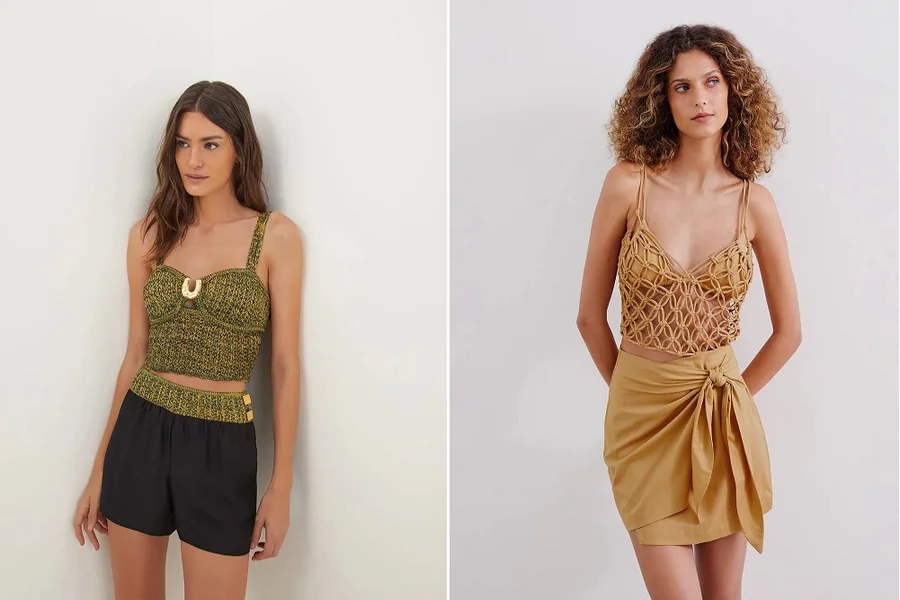
Even if the outfit is the correct size and colors the outfit can appear flat. One of the common pitfalls is that the texture is not included. Basic fashion becomes more basic interesting and interesting with little knowledge on how to mix textures in everyday fashion.
This will be a guide to simple rules, match-ups, and pitfalls. Even if you don’t have an extensive wardrobe, you just require a couple of smart combinations.
What Is the Easiest Way to Mix Textures?
The easiest way to mix textures in everyday clothes is to mix a smooth fabric with a tactile fabric, and to stick to the colors. Start by locating two kinds of fabric – denim and knit. Consider adding a third only when the outfit is still well-balanced. Use one texture as the lead and make an accessory with the other texture.
Why Texture Matters in Your Wardrobe
Texture is the appearance and feel of a fabric. May have smooth, rough, soft, shiny or chunky texture.
To blend textures in common wear, you mix various textures together without generating loud colours or prints. Hence, a neutral outfit with various fabrics is regarded as more costly than a plain one with the same fabric.
Texture also enhances photos and in daylight. Light and color will be in contrast as silk reflects light differently than wool.
Know Your Common Fabric Textures
Before you mix, it helps to sort your clothes by feel. Most fabrics fall into a few groups.
| Texture Type | Common Fabrics | Look and Feel |
| Smooth | Cotton poplin, satin, silk, fine jersey | Clean and flat |
| Soft | Cashmere, fleece, brushed cotton, velvet | Cozy and plush |
| Rough | Linen, tweed, denim, corduroy | Earthy and tactile |
| Shiny | Satin, leather, sequins, patent | Reflective and bold |
| Chunky | Cable knit, bouclé, crochet | Thick and heavy |
Use this chart as a starting point. A smooth item usually looks best next to a rough or soft one.
Basic Rules to Mix Textures in Everyday Outfits
You don’t need any stylist. There are two guidelines you need to observe to make it through most of the days.
Begin with the 2 Textures.
The safer the number the more the number will be. Cotton t-shirt and leather jacket, for instance. If that’s comfortable, gradually increase to three.
Click on the One Hero Texture.Choose One Hero Texture.
Each outfit should have a lead. For chunky sweaters, opt for plain and sleek trousers. When there is too much activity, the complete ensemble looks somewhat shabby.
Balance Heavy and Light
On a thick fabric pair a thin fabric. A thick cardigan will look good by a thin cotton T-shirt. Using two heavy fabrics can give a full appearance.
Repeat a Texture
Use a texture in multiple bags, belt and/or shoes.Repeat the texture in two or more places in a bag, belt or shoes. The look is completed with a suede bag and suede jacket.
Easy Texture Combinations That Work
Some pairings work almost every time. Here are reliable ones to try first.
| Pairing | Why It Works | Good For |
| Denim + knit | Rough meets soft | Casual days |
| Leather + cotton | Sleek meets simple | Weekend errands |
| Silk + wool | Smooth meets warm | Work and dinners |
| Linen + satin | Relaxed meets polished | Warm weather |
| Corduroy + fine jersey | Ridged meets flat | Cool days |
| Tweed + denim | Dressy meets casual | Smart casual |
Pick one pairing and build around it. Keep shoes and accessories simple so the fabrics get the attention.
How to Mix Textures in Everyday Outfits by Season
Fabrics adapt to changes in weather. All the rules are still in effect but your materials are different.
Spring and Summer
Light coloured fabrics are best. Try on linen-pants and a cami. A cotton shirt that has woven straw bag is a contrasting quiet.
Fall and Winter
It’s the easiest method of creating textures into casual attire. Layers provide you with a lot of options. A wool coat should be worn over a knit sweater and leather boots should be added. A corded skirt is another option to go with a ribbed t-tank.
Texture ideas for work, the weekend and the evening.
Texture Ideas for Work, Weekends, and Evenings
For Work
Keep it subtle. A crisp shirt, with wool trousers and leather belt looks polished. Do not use too glossy material.
For Weekends
Go relaxed. Combine a soft hoodie and denim and canvas shoes. It is simple to make a distinctive fashion statement with minimal effort.
For Evenings
Add a little shine. A satin top with structured blazer means that it’s a dressy top but not too complicated. Pair of velvet shoes or a metallic clutch can complete the outfit.
Use Color to Make Textures Work Together
Colour is your fallback for your fall. Colors may be alike, and textures can be very different, but still peaceful.
Try out a monochromatic look with a range of fabrics. Cream leather bag, cream cotton pants and cream knit all work well together to form a rich and quiet ensemble. This is referred to as tonal look.
For those who like a contrast in color, use a neutral tone. The bright satin skirt is a good complement to a gray wool sweater.
Patterns need care. If you are wearing a print, opt for plain other clothing pieces. A plain texture to the side of a print will allow it to stand out from the rest.
Accessories Are a Low-Risk Way to Start
If you think it is a gamble to blend fabrics, proceed with caution – start small. Accessories are added to the overall look to create texture, but not affect the entire look.
- A cotton dress that is sewn to a belt of suede. Cotton dress is with suede belt.
- Leather jacket with knit scarf. Leather Jacket and Knit Scarf.
- The bag is constructed of woven and is covered with a linen shirt.
- A denim jacket with a silk scarf tied on it.
These little details allow you to try out everything that you like, without risking the complete appearance.
Common Mistakes to Avoid
Simple rules can easily go astray. Learn from these pitfalls and mistakes.
- Too many textures: More than 3 could look like too much.
- Even-pound: Heavier will be stiffer and bulkier pound on pound.
- Remember fit: Too much texture for volume but also ensure that clothing fits properly.
- A “clash of colors”: A very shiny top and skirt can be choppy.
- Tired from knitted and wrinkled linen.
This will help if you quickly look at the mirror. Don’t have your eye flitting if it does, take one piece out.
Simple Steps to Mix Textures in Everyday Outfits
Do this when you are dressing.
- Choose your pair of lower clothes – pants, skirt, etc.
- Choose another top that has a different texture.
- Repeat the process with a third texture (if needed).
- Limit colors or neutral colors.
- Apply the same type of texture to a pair of shoes or bag.
- If it is too close together take one element away.
This will automatically happen after 1 or 2 weeks.
Build a Small Texture-Friendly Wardrobe
It’s not hard to go out and do the shopping. There are lots of options, if you make some good choices!
Essential essentials comprise a denim jacket, knit sweater, cotton shirt, leather or faux leather belt and satin or silk-feel top. If you wish to add some variety, add one chunky piece such as a cardigan.
Start with neutral colors. The contrasts between black, white, beige, gray and navy are easily matched up to create a seamless texture effect that won’t clash, even when paired in a casual outfit.
Final Thoughts
A large budget and complicated rules are not required to have good style. Using textures in everyday wardrobe enhances the rich and varied appeal of plain clothes.
Keep it simple: Use 2 textures, choose 1 texture for the hero piece, aim for a balance of heavy and light, and use “colors close” rule. Try out a new blend this week and find out how it works!
After some practice, you’ll be able to combine fabrics and textures in daily attire without ever giving it a second thought. The clothes stay the same, but the looks you create with the clothing are more substantial.
FAQs
How many textures should I wear in one outfit?
Two or three is a good range. Beginners should start with two. A third works if it is small, like a bag or scarf.
Can I mix shiny and matte fabrics?
Yes. Shiny and matte fabrics balance each other. A satin top with matte wool trousers is a classic example.
What textures go well with denim?
Denim pairs well with knit, leather, cotton, and silk. These give a clear contrast to its rough surface.
Is it okay to mix textures in one color?
Yes, and it is one of the easiest methods. A single color keeps the outfit calm, so the fabrics create the interest.
Can I mix textures if I prefer a minimal style?
Yes. Minimal outfits benefit most from texture because they have no prints or bold colors. Use neutral tones and subtle fabric changes.
What is the best way to start?
Start with accessories or one layer. Add a knit scarf or suede bag to a simple outfit, then build from there.