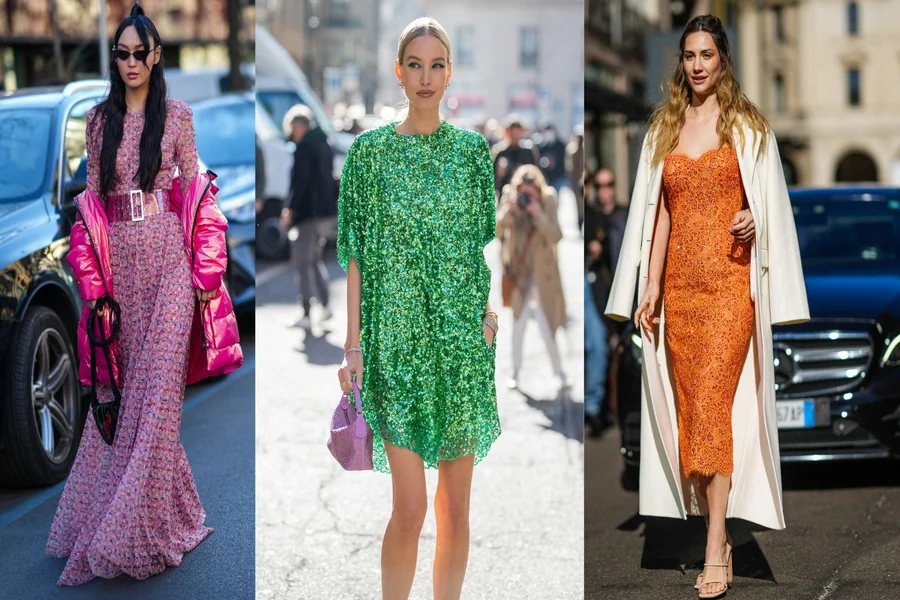
Remove one question from your closet – do these colours match? If you answered “not really” you are not the only one. There are many people who buy garments that they like putting on the hanger, but can’t create outfits.
When it comes to selecting colors of clothing, that’s the resolution. It can save you money, eliminate stress of the day and make you look put together.
This guide helps you to make colour choices easily and quickly and mix shades with.
The first colors to look at when it comes to color in clothes are the neutrals, which can be two or three colors such as black, navy, grey, white or beige. Add 2-3 accent colors, similar to the skin and hair color. Please select colours that are your favourites to wear. To achieve this, attempt to maintain as much of this palette as you can to achieve a harmonious and coordinated look for all your items. Must test before buying.
Why Your Color Choices Matter
The same concertina effect occurs when you strategically choose colours for your wardrobe to make it work for you. Most of them will match up with multiple different pieces, which means you’ll need less as there will be more outfits possible.
These are the ways a well-defined palette assists:
- You’re able to shop and buy things that you need instead of things that you want and you’re really shopping very quickly.
- It takes less time to get dressed.
- The look of your outfits is more cohesive and elegant.
- Parts that are not worn are not required to be stored.
Step 1: Learn the Basics of Color Theory
You do not need art training. A basic color wheel is enough to choose clothing colors that look good together.
Here are the three combinations most useful for outfits:
| Color Combination | How It Works | Outfit Example |
| Monochromatic | Different shades of one color | Light blue shirt with navy trousers |
| Analogous | Colors next to each other on the wheel | Olive green top with mustard scarf |
| Complementary | Colors opposite each other on the wheel | Navy jacket with a rust-orange top |
Monochromatic looks are the easiest to start with. Complementary pairs are bolder, so use them in small doses.
Step 2: Find Your Skin Undertone
Your undertone is the soft color that is seen beneath the skin’s surface. It is typically said to be warm, cool or neutral. This knowledge is employed to determine your face shape and pick the appropriate clothes color.
There are two easy tests that you can perform in your home that will offer you a clue:
- Vein check: Greenish veins are warm tones. Cool ones are frequently bluish or purple veined.
- Jewelry check: If it feels nice on you, then you might be warm. If silver is more appropriate, then you may be cool. If they both work, you could be neither of them.
The following are guidelines and not rules. The best assets you have are natural light, and a mirror. Hold an object of a different colour near your face and see if your face looks bright or dull.
Pay particular attention to the colours that are closest to your face – tops, scarves and collars.
Step 3: Build a Base of Neutrals
Neutrals are the building blocks of a colour smart wardrobe. They coordinate well with nearly all colors and accent them.
Neutrals include but are not limited to black, white, grey, navy, beige, brown and olive. Pick a couple of 2-3 that are appropriate to your lifestyle and undertone.
| Neutral | Pairs Well With | Good For |
| Black | White, red, grey, jewel tones | Formal and evening looks |
| Navy | White, beige, light blue, rust | Work and everyday wear |
| Grey | Pink, navy, burgundy, white | Casual and office outfits |
| Beige | Brown, olive, white, soft blue | Warm-weather and relaxed looks |
| Olive | Cream, navy, mustard, black | Casual and layered outfits |
Spend more on neutral basics like coats, trousers, and shoes. You will wear them most often.
Step 4: Add Accent Colors
Accent colours are colours that are added to a piece of clothing to make it different. Once you’ve determined the neutrals, choose accent colors for your wardrobe that you love.
Observe and comment on clothing people are wearing. Be aware of the first shades that you choose. These are the foods you like best.
Here are a few suggestions:
- Only select 2 or 3 accents (not 10).
- Keep top accents in bags, scarves or accessories.
- Use accents that are congruent with your tone. The combination of soft and muted colors is ideal, as is that of bright colors.
Try a color in a inexpensive item, such as a t-shirt or scarf before purchasing a coat in that color.
Step 5: Match Colors to Your Lifestyle
A wardrobe should be for you, not your dreams. When choosing clothes colors, take into account the environment where you spend your time.
- Office: Navy, grey and white and muted are all professional colors.
- Casual look: Denim blue, olive and earthy colors are simple and comfortable.
- Active Days: Dark colours will mask sweat and wear better. Outdoors bright colours help to be seen.
- Social events: For nights, use deeper colours, burgundy or emerald.
Whether or not they are very nice, a closet full of formal colors won’t be right, if the majority of your week is laid back.
Step 6: Try the 60-30-10 Rule
This design guideline is to ensure a harmony of a particular outfit. It is a very popular treatment among many beauticians.
- The main colour is typically neutral and will be typically 60%.
- 30%: A secondary color
- 10%: An accent color
For instance, navy trousers and navy coat (60 %), white shirt (30 %), and rust scarf (10 %). It’s simple to pick colors for a single outfit without getting hung up on it.
Step 7: Consider the Season
Colors can also monitor the weather. This is an option and not a rule.
Lighter shades have a fresh look in summer. Darker colours are warm during the winter months. Neutrals are in-use year round.
Don’t have to change out your closet every season. Change a couple of the accessories or layers and leave the rest the same.
Common Mistakes to Avoid
Even people who are very careful about their purchases can make the following blunders while choosing the right clothes color:
- Purchasing a color that you don’t wear because you like it. Be sure it fits into your life and at least three other items you have.
- Having too many accent colors. The more colors you have, the less outfit matches you will have.
- Ignoring undertone. When wearing a color that is not in harmony with your skin tone, you will look drained.
- Following trends blindly. Trend colours are notorious for going “out of the way”. Use only in small amounts.
- Failure to take lighting test(s). Colour can change with the use of store-lights. Check at daytime.
How to Audit Your Current Wardrobe
- Use what you have.
- Sort clothes into colours.
- Record the colors that you use the most.
- Recognise colours that are not often found.
- Make a selection of your favourites and set aside the odd ones!
- Find neutral and second accent (for the missing ones).
This simple review displays your natural palette. It also provides you with confidence on what color clothes you will be buying in the future.
Final Thoughts
The secret to a great wardrobe is less. It’s the concept of being composed of parts that work together. If you choose clothes that are strategically colored, you have to have each item on the rack.
Start with neutrals. Add in some things you personally enjoy! Determine your undertone and consider your lifestyle and style as well as trying on new pieces to see how they work with your existing wardrobe.
Work on one task at a time. Take the “closet audit” and make a list of your “go to” colors for your wardrobe for the next time it is time to shop. Your wardrobe will be easy, comfortable and versatile for any occasion over time.
FAQs
What are the best neutral colors for a wardrobe?
Black, white, grey, navy, beige, and brown are the most common. Navy and grey are good starting points because they are softer than black and pair easily.
How many colors should a wardrobe have?
A simple approach is two or three neutrals and two or three accents. This keeps outfits easy to build without feeling boring.
Can I wear black if I have a warm undertone?
Yes. Black is common, but it may look harsh near the face. You can soften it with a lighter scarf, collar, or necklace.
How do I choose clothing colors if I am on a budget?
Start with neutrals in basics like trousers and jackets. Add color through low-cost items such as tops and accessories. Buy only what pairs with at least three pieces you own.
Do I need to follow color trends?
No. Trends can be fun, but they change fast. Add trend colors in small items so your base wardrobe stays timeless.
How can I tell if a color suits me?
Hold it near your face in natural light. If your skin looks bright and even, it likely suits you. If you look pale or tired, try a different shade of the same color.