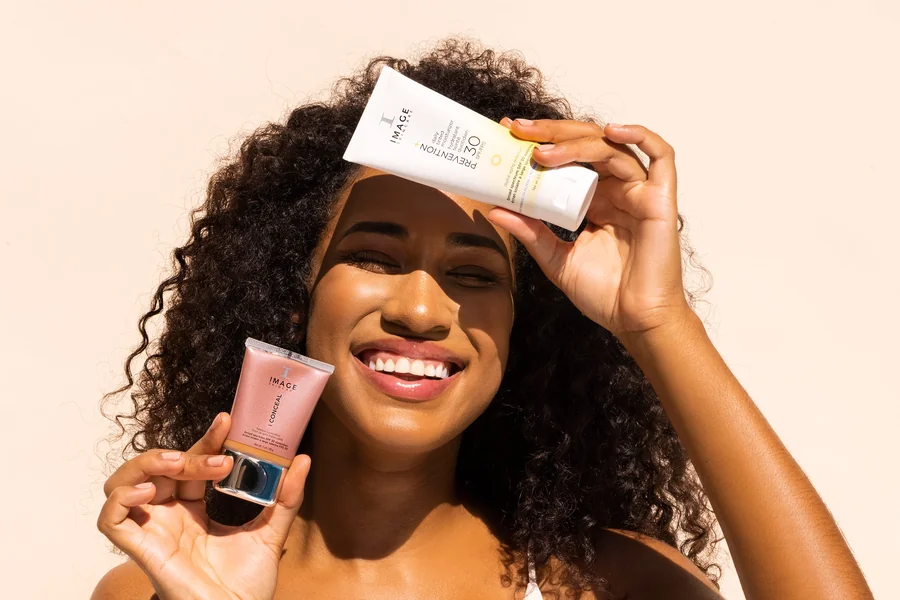
It’s a simple answer, tinted moisturizer vs foundation: coverage and finish. Tinted moisturizer provides a sheer, skin-like tint with mild moisture, making it ideal for daily use. Foundation provides light to full coverage, conceals redness and dark spots and lasts longer. Go for tinted moisturizer for a natural fresh appearance. Select for events, photos, or irregular skin tone. There are lots of people that have both and choose the one that’s in season for the day.
Deciding between tinted moisturiser and foundation can seem perplexing. Both guarantee a clear, even skin tone. They’re both in the same aisle. However, they have very different effects on your skin.
This guide clarifies the mechanism of every product, how they vary, and how to choose the right one for your skin type, routine and everyday life.
What Is Tinted Moisturizer?
Tinted moisturizer is a light moisturizer with a bit of pigment. Will balance your skin tone while not creating a heavy layer of make-up.
The majority of formulas actually feel like a normal face cream. Many include water-holding components like hyaluronic acid, or glycerin. Some also contain SPF, some don’t, so be sure to read the label.
The coverage is typically sheer to light. It lets you see freckles and small marks and natural skin texture. That’s what many people are looking for.
What Is Foundation?
Makeup base used to smooth out skin and camouflage skin flaws. It is available in liquid, cream, powder and stick.
It can be light to full coverage. Most of the time, foundation will contain more pigment than tinted moisturizer, which means it will cover up the redness, dark spots, and uneven tone better.
Finishes vary too. Available in matte, satin and dewy. The other advantage of using foundation is that it will last longer during the day when used with primer or setting powder.
Tinted Moisturizer vs Foundation: The Main Differences
Here is a quick side-by-side look at tinted moisturizer vs foundation.
| Feature | Tinted Moisturizer | Foundation |
| Coverage | Sheer to light | Light to full |
| Finish | Natural, often dewy | Matte, satin, or dewy |
| Skincare benefits | Hydrating; may include SPF | Varies by formula |
| Wear time | Shorter; may need touch-ups | Longer, especially with primer |
| Feel on skin | Light, like a face cream | Light to heavy, depending on formula |
| Best for | Daily wear and minimal makeup | Events, photos, and full-glam looks |
The table gives the short version. The sections below explain what each difference means in real life.
Coverage and Finish
The largest difference in tinted moisturizer vs foundation is coverage.
Tinted moisturizer is considered a soft filter. Still looks like skin through, though which gives a fresh, “no-makeup makeup” look. It will not completely conceal dark circles, acne marks, and severe redness.
Foundation is buildable. One thin layer provides light coverage. A second layer can mask over blemishes and discoloration. It also allows you to pick your finish, whether it’s a shiny finish or a flat matte finish.
If you wish you skin to look just like you on a great day, opt for tinted moisturizer. When it comes to a more sophisticated, airbrushed look, foundation is the one to go with.
Skincare Benefits
Tinted moisturizer vs foundation also makes a difference when it comes to skin care.
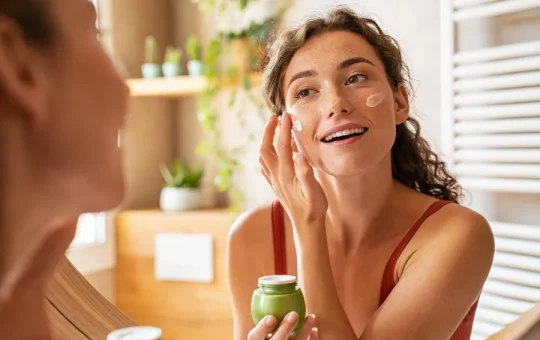
Tinted moisturizer combines the benefits of both tint and moisturizer in one. It moisturizes and fades, all at once! That’s a time saving option for those mornings that just want to get over quickly.
Many modern foundations are also hydrating or soothing. Nevertheless, the primary role they play isn’t to care; it’s to cover.
Note on Sunscreen: Many make up products use an SPF that’s applied in such a thin layer that it doesn’t provide complete coverage. When using tint, layer it over a good sun protection product for a reliable protection.
Wear Time and Comfort
Tinted moisturizer is lightweight and easy to apply. It might not be noticed when applied on the face. It comes with the disadvantage of potential shine or rubbing off prematurely and fading, particularly on oily skin.
Typically, foundation remains fixed for a longer period. Others, though, tend to be thicker during hot weather and on dry skin. It’s all in the fine layer and adequate skin preparation.
Tinted Moisturizer vs Foundation by Skin Type
Your skin type should guide the tinted moisturizer vs foundation decision. Use this table as a starting point.
| Skin Type | Better Option | Why |
| Dry | Tinted moisturizer or hydrating foundation | Adds moisture and avoids a flat, dry look |
| Oily | Oil-free or matte foundation | Helps control shine and lasts longer |
| Combination | Either, in a light formula | Set only the T-zone with powder if needed |
| Sensitive | Fragrance-free tinted moisturizer | Fewer ingredients may mean less irritation |
| Mature | Light, hydrating tinted moisturizer or foundation | Thick formulas can settle into fine lines |
| Acne-prone | Non-comedogenic option of either | Designed not to clog pores |
No table can replace testing. Patch test new products on your jawline and check them in daylight before you commit.
When to Choose Tinted Moisturizer
Tinted moisturizer is a good choice for those who:
- The natural and light appearance is desired.
- Have fairly even skin and need only a little evening out
- Looking for a low-key workout?
- Similar to skin care products. Comparable to skin care products.
- Keep makeup to a minimum while going to work, school or doing errands
It is also an easy approach to begin with if you’re new to cosmetics.
When to Choose Foundation
The foundation vs tinted moisturizer debate comes down to more control and staying power if you’re looking for more control and staying power; foundation is the winner in that case. Pick it if you:
- Looking to hide redness, dark spots or acne marks
- Have to wear makeup for long days or events.
- Will be photographed and/or filmed
- Matte or full coverage—just like that.
- Looking for a base that will stay put in blush, bronzer and powder?
A Simple Way to Decide
Not quite sure about the difference between tinted moisturizer and moisturizer with foundation? Answer the following three questions:
- How much am I covered on this day? Tinted moisturizer is light. Medium to full is equal to foundation.
- How many days should it turn to? Tinted moisturizer can be used for a few hours. A full day or night refers to a foundation.
- What is my skin in need of at this moment? A tint that is hydrating might feel better if it is feeling dry or tired.
Doesn’t have to be one that you keep choosing. Many people wear sun cream tint on casual days and foundation on special days.
How to Apply Each Product
Also, some differences in application in the lotion tinted vs foundation, although both work best on well-prepped skin.
Tinted moisturizer
- If your tint does not provide an SPF, then apply skincare and sunscreen first.
- Apply a little on your face.
- Mix using clean hands or moist sponge.
- Only apply concealer to the necessary areas.
Foundation
- Hydrate and optionally apply a primer.
- Use a little in the middle of your face.
- Use brush or sponge to blend outwards.
- Only construct in zones that require protection.
- Apply powder if desired for longer wearing.
For both, smooth down the neck until you see no line at the jaw.
Common Mistakes to Avoid
- Wrong shade: Try it on your jaw and in natural light.
- Too much product: Go slow. There is no limit to the amount you can add in!
- No skin prep: Dry patches and rough texture are visible in both products.
- If you’re looking for more coverage from a sheer tint: spot-conceal or opt for foundation.
Final Thoughts
There’s not any clear-cut answer on whether tinted moisturizer or foundation is superior. It depends on the coverage desired, the duration and of course the sensation of the skin on the day.
Opt for tinted moisturiser for a skin-first, light and fresh appearance. Use a foundation for better coverage and durability.
If you are not sure, hold on to one of each. For easy day-to-day use, apply tinted moisturizer, and for those special occasions, use foundation. The decision should be based on your skin, your schedule and your comfort.
FAQs
1. Can tinted moisturizer replace foundation?
Yes, if you only need light coverage. It works well for even skin and casual days. If you want to hide strong redness or dark marks, foundation is the better tool.
2. Which is better for oily skin in the tinted moisturizer vs foundation choice?
Most people with oily skin do better with an oil-free or matte foundation. It tends to control shine and last longer. Some oil-free tinted moisturizers work too, especially with a light dusting of powder.
3. In tinted moisturizer vs foundation, which suits mature skin better?
Both can work. Light, hydrating formulas usually look best because thick, matte products can settle into fine lines. Choose the finish that feels comfortable on your skin.
4. Can I mix tinted moisturizer and foundation?
Yes. Mixing a little of each lowers the coverage of foundation and adds a bit of pigment to a tint. Use clean hands or a clean tool, and test the blend before wearing it out.
5. Do I still need sunscreen with tinted moisturizer?
It depends on the product. If the label lists SPF, it offers some protection, but many people do not apply enough for the full labeled benefit. For dependable sun care, apply a separate sunscreen first.
6. Does tinted moisturizer clog pores?
Not necessarily. Look for products labeled non-comedogenic and remove all makeup at night. This applies to foundation as well.